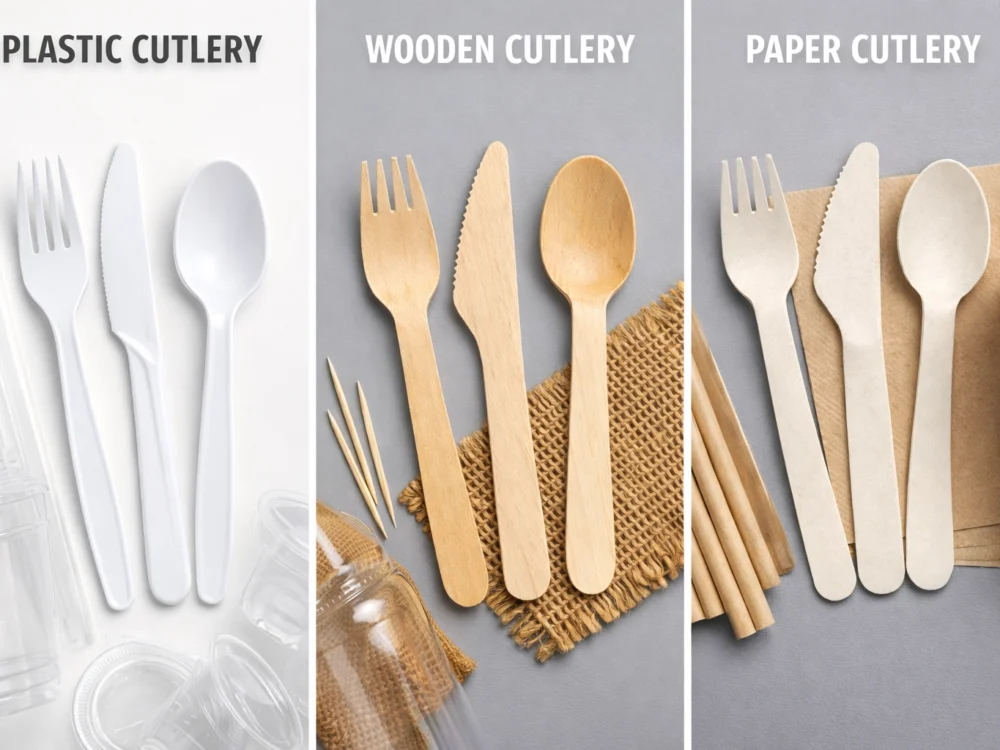
Sustainability Isn’t a Material — It’s a System
Paper-based cutlery becomes genuinely sustainable only when it operates within a complete system — from responsible sourcing to efficient manufacturing, thoughtful design, and real end‑of‑life recovery.
1) Responsible Fiber Is the First Checkpoint
A truly sustainable paper‑based cutlery brand must be transparent about what it is made from. Responsible fiber sourcing is the foundation of the system. This includes:
- FSC‑certified wood pulp
- Agricultural residues
- Recycled fiber (where food‑contact safe)
- Traceable supply chains
- Minimal bleaching and safer processing standards (where applicable)
The real story isn’t about being “tree‑free” or “guilt‑free.” It’s about ensuring responsibility at both entry and exit: responsible in, responsible out.
2) Design Is Sustainability (Not Decoration)
Many so‑called “eco” products fail because they simply don’t perform well. Poor performance leads to more waste:
- People take two spoons instead of one
- Restaurants keep backups, increasing unnecessary inventory
- Customers get frustrated and shift back to plastic
A sustainability‑led design for paper cutlery focuses on:
- Strength and rigidity — especially for hot, oily, or wet foods
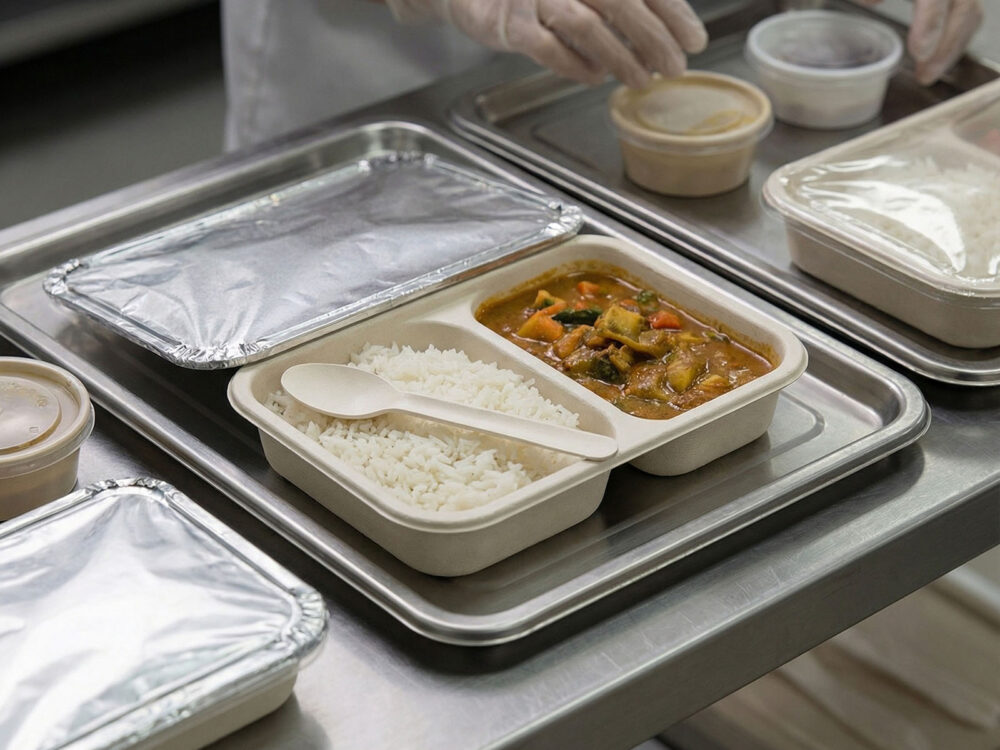
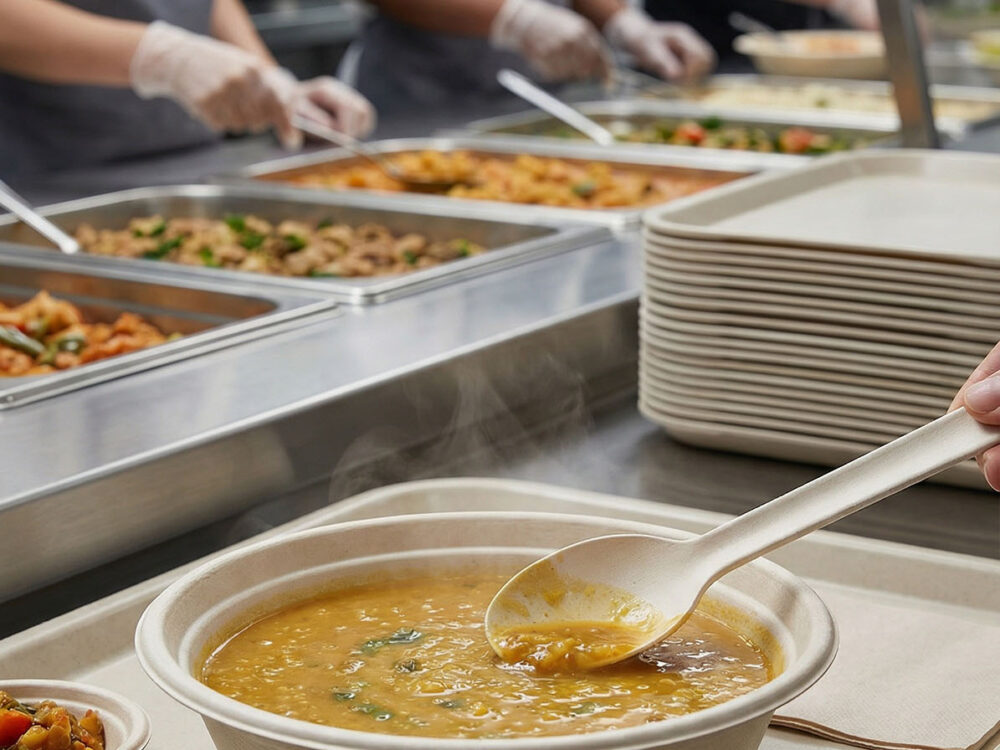
- Heat resistance suited for Indian meals: gravies, rice, sambar, curries
- Comfortable mouthfeel — no soggy edges, no paper taste
- Standardization for smooth foodservice operations
Because in the real world, “eco that works” always beats “eco that just looks eco.”
3) Compostability Must Match Real Infrastructure
Compostability is not a magic label — it only works when the right conditions and collection systems are in place.
UNEP’s guidance on single‑use tableware alternatives emphasizes choosing solutions that genuinely perform better across the lifecycle and fit into existing waste systems.
A responsible paper‑cutlery brand should support the ecosystem by:
- Partnering with composting facilities and bulk waste collectors
- Providing clients clear, simple segregation guides
- Creating intuitive bin‑language using icons and concise instructions
4) Why This Matters Now
Global policy trends are clear: governments are restricting single‑use plastics, especially high‑litter items such as cutlery. The EU categorizes cutlery under targeted SUP items, and India’s ban on identified SUP categories has been active since July 2022.
This shift means sustainability is no longer a “nice‑to‑have” choice. It is now the expected standard for modern food businesses.
A Strong Positioning Route for the Brand
Most eco‑cutlery brands sound the same. Here are sharper, more meaningful positioning directions:
- Clean Exit: Designed for a clean end‑of‑life — less confusion, less contamination, better material recovery.
- Built for Real Food: Not flimsy café cutlery. Made for India’s hot, wet, spicy, and oily meals.
- Less Waste per Meal: Not just replacing plastic. Reducing total waste through fewer breakages, fewer doubles, and proper disposal.
A simple but powerful reminder:
“Sustainability isn’t what it’s made of. It’s what happens after.”